
Garage Door Springs: Torsion & Extension, Custom Made
Custom torsion and extension garage door springs made to your door weight, height and shaft size – produced in 82B high-carbon spring steel, rated 18,000-30,000 cycles, and shipped to OEM and export buyers worldwide. CHENJI is an ISO 9001 certified spring manufacturer. Send us your door dimensions and our engineers confirm the spring design before production.
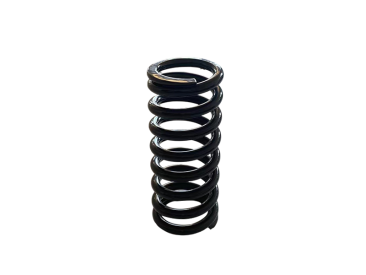
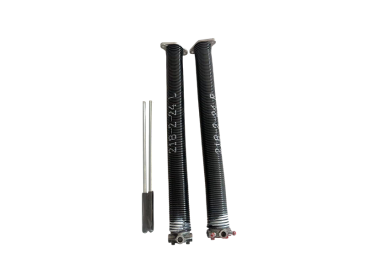
Overview
Garage door springs counterbalance the weight of the door so the opener only manages friction and control. Without the right spring, a door is too heavy to lift, wears out its opener, or drops dangerously. Getting the spring right means matching torque or tension to the door’s weight, height and travel.
Two systems are used. Torsion springs mount on a shaft above the door and twist to store energy – they are smoother, longer-lived and standard on heavier and wider doors. Extension springs mount on the sides and stretch as the door opens – they are simpler and more economical for lighter residential doors.
Our partner factory winds garage door springs from 82B high-carbon steel wire, from 0.207 in to 0.295 in wire diameter and 1.75 in to 6 in inside diameter, with four coating options and a rated service life of 18,000 to 30,000 cycles.
Torsion vs Extension Systems
Choose the system by door weight, width, headroom and expected service life.
Torsion spring system
One or two springs mounted on the torsion shaft above the door. As the door opens, the shaft rotates and twists the springs. Torsion systems balance the door at every height and last far longer – the standard for modern and heavy doors.
Extension spring system
Springs mounted on tracks at both sides, stretched by cables as the door closes. Simpler and cheaper, common on light single-car doors, but they carry more shock load and wear faster.
Matched left/right winding pairs
Torsion springs must be supplied as a matched pair wound in opposite directions so the torque direction is correct on each side of the shaft. We mark and pair them before shipment.
One-piece vs two-piece springs
On wide doors, two springs (one per side) balance the load better than a single long spring and reduce shaft stress.
Winding cones and hardware
Springs are supplied with winding cones fitted and ends prepared for immediate installation, or bare for your local fitter.
Applications
- Residential garage doors (sectional and one-piece)
- Commercial and industrial overhead doors
- Self-storage facility doors
- RV, boat and farm garage doors
- Dock doors and warehouse openings
- Agricultural machinery sheds and outbuildings
Technical Parameters Explained
Wire gauge (diameter): Wire diameter from 0.207 in to 0.295 in. Thicker wire carries more torque but is stiffer to wind and costs more – selection follows door weight.
Inside diameter: 1.75 in to 6 in ID. The spring fits over the torsion shaft, so ID must match the shaft and winding cone dimensions.
Cycle life: Rated 18,000 to 30,000 cycles. Each open-close movement is one cycle; life depends on wire stress, coating and how well the door is balanced.
Torque capacity: The spring’s turning force, matched to door weight and drum diameter. Correct torque means the door stays put at any height.
Coating: Black paint, zinc galvanizing, powder coating or e-coat – chosen for humidity, salt air and expected life.
Left/right winding: Torsion springs are wound right-hand and left-hand for the two sides of the shaft; installing a wrong-handed spring is dangerous.
Specifications & Range
| Wire material | 82B high-carbon spring steel |
| Wire diameter | 0.207 – 0.295 in |
| Inside diameter | 1.75 – 6 in |
| Coatings | Black paint, zinc galvanized, powder coating, e-coat |
| Cycle life | 18,000 – 30,000 cycles |
| Configuration | Torsion or extension; matched left/right pairs; winding cones available |
Materials & Surface Treatment
Common materials:
- 82B high-carbon spring steel – the industry standard for garage door springs
- Oil-tempered alloy spring steel – for high-cycle and heavy commercial doors
- Galvanized spring wire – extra corrosion resistance for humid regions
Surface treatments:
- Black paint – standard economical finish
- Zinc galvanizing – good corrosion resistance
- Powder coating – tough, chip-resistant outdoor finish
- E-coat (electrophoretic) – even coverage including inside of coils, excellent salt-spray performance
For coastal and high-humidity regions we recommend galvanized or e-coat springs; powder coating suits dusty or abrasive environments. Life and finish should be matched to how often the door opens.
OEM Customization
Tell us your door weight, height and drum size – we calculate the spring dimensions, winding and coating for your system.
Send Door Specs
Door weight, height, shaft and drum details - we calculate the spring design and torque.
Sample Approval
Sample springs are wound, tested for torque and cycle life, and fitted for trial if required.
Batch Production
Matched pairs, painted or coated, with consistency checks across every production batch.
Frequently Asked Questions
Q: What is the MOQ for garage door springs?
Small orders for replacement springs are welcome. Production MOQ depends on wire size and coating – confirmed with your inquiry.
Q: How do I choose between torsion and extension springs?
Torsion springs are the modern standard: smoother, safer and longer-lived, especially for heavy or wide doors. Extension springs suit light residential doors on a tight budget.
Q: What cycle life can I expect?
Our springs are rated 18,000 to 30,000 cycles depending on size and coating – roughly 8 to 15 years of normal residential use.
Q: Do springs come as matched pairs?
Yes. Torsion springs are supplied as matched left/right pairs, marked for correct installation.
Q: Which coating is best for coastal areas?
Galvanized or e-coat give the best salt-air protection; we recommend these for coastal and high-humidity installations.
Need Garage Door Springs?
Email liu@chenjisprings.com | WhatsApp +86 158 5311 1612 | We reply within one working day.
Product Gallery
Related Spring Types & Tools
Design Information & Applications
Key Design Parameters
Garage door springs provide the counterbalance torque or tension that offsets the door weight, so the door lifts smoothly and safely. Torsion springs mount on a shaft above the door and store torque when wound; extension springs sit along the horizontal tracks and stretch to counter the load. Both are engineered for high cycle life and manufactured to DIN / EN / GB / ASTM as required.
| Parameter | Description |
|---|---|
| Material | Oil-tempered carbon steel spring wire (e.g. 65Mn, 60Si2Mn, spring steel, music wire), zinc- or galvanized-coated for corrosion resistance |
| Wire Diameter | 0.8-12 mm typical for residential and commercial garage doors; custom per drawing or sample |
| Type | Torsion spring (shaft-mounted) or extension spring (track-mounted), single or double |
| Cycle Life | 10,000 to 100,000+ cycles depending on wire, wind direction and surface finish |
| Surface Treatment | Galvanized, zinc plating, powder coating, oil-tempered or customized finish |
Typical Applications
Garage door springs deliver reliable counterbalance for residential, commercial and industrial door systems.
- Garage door springs — torsion and extension counterbalance for sectional, roller and tilt-up doors
- Torsion springs — rotational torque and shaft counterbalance mechanisms
- Extension springs — tension and stretch counterbalance systems
- Compression springs — linear-load applications
- Disc springs — compact high-load stacks
Request a Quote
Send your door weight, drum size, wire diameter, coil count or detail drawing and we will confirm a competitive quotation within one working day. Contact us at liu@chenjisprings.com or WhatsApp +86 158 5311 1612.